The Mechouar Palace: A Glimpse into Zianid Royalty
Discover the history and architecture of the Mechouar, the royal citadel that served as the beating heart of the Zianid dynasty in Tlemcen.
The Mechouar (which translates to “Place of Consultation” or “Council”) is not just a palace; it is the physical embodiment of Tlemcen’s golden age. Built in the 12th century by the Almohad ruler Abd al-Mu’min, it truly flourished in the 13th century when Yaghmurasan Ibn Zyan made it the royal residence of the Zianid dynasty.
The Zianid Golden Age
For over three centuries, the Zianid kingdom (the Kingdom of Tlemcen) was a powerhouse of culture, trade, and intellectual pursuit in the Maghreb. The Mechouar was its beating heart. Behind its imposing walls lay a complex of stunning palaces, lush gardens, and administrative buildings. It was here that kings hosted lavish banquets, consulted with viziers, and received ambassadors from across the Mediterranean world, including the Kingdom of Aragon.
Historical accounts describe the Mechouar as a place of unparalleled beauty. It was said to house mechanical marvels, intricate water clocks, and a spectacular silver tree complete with mechanical singing birds—a testament to the advanced engineering and artistry of the era.
Architectural Splendor
While much of the original complex was lost to time, sieges, and colonial modifications (the French used the site as a military hospital and barracks in the 19th century), the recent restoration of the Royal Palace offers a breathtaking window into its past.
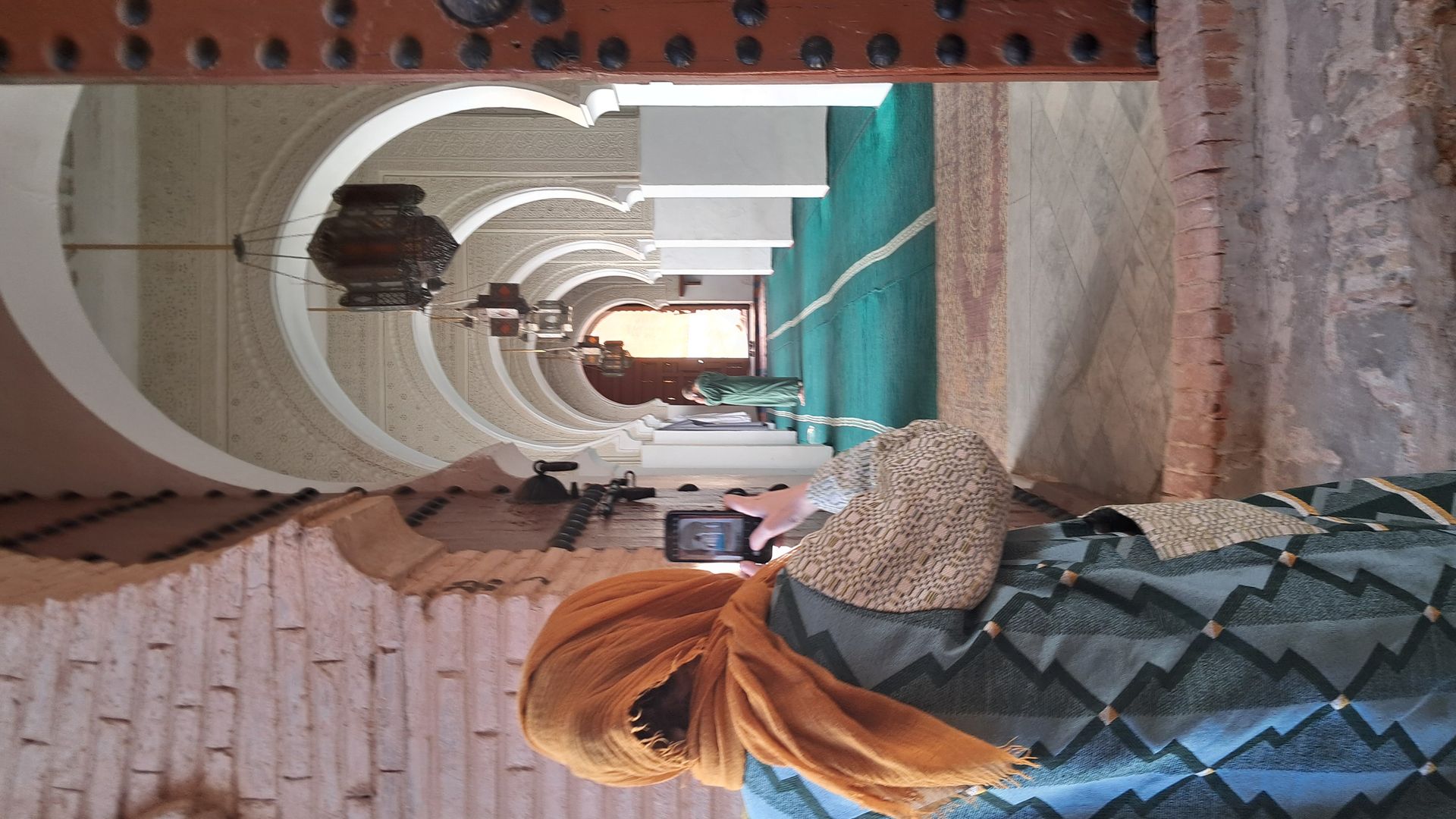
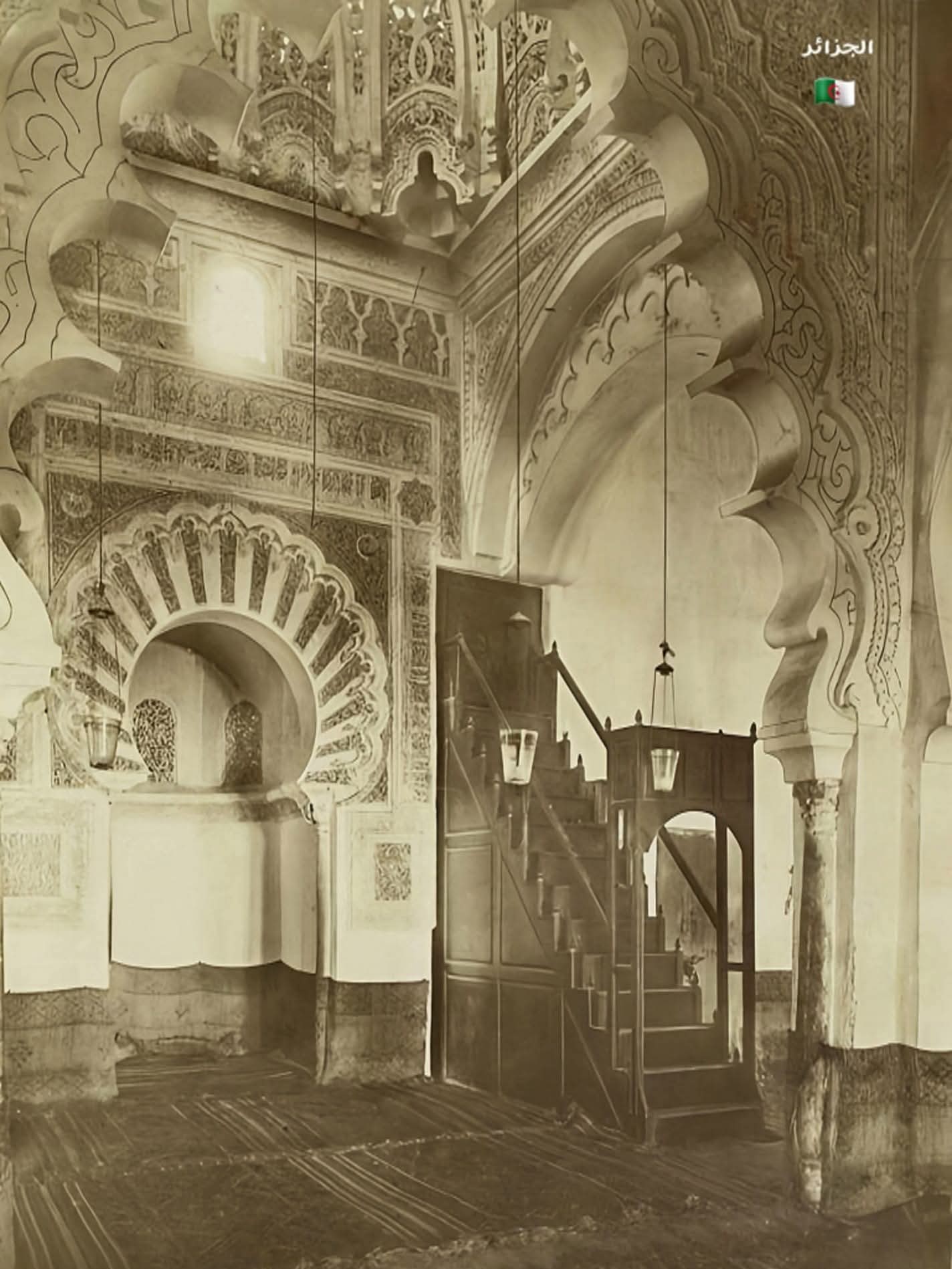
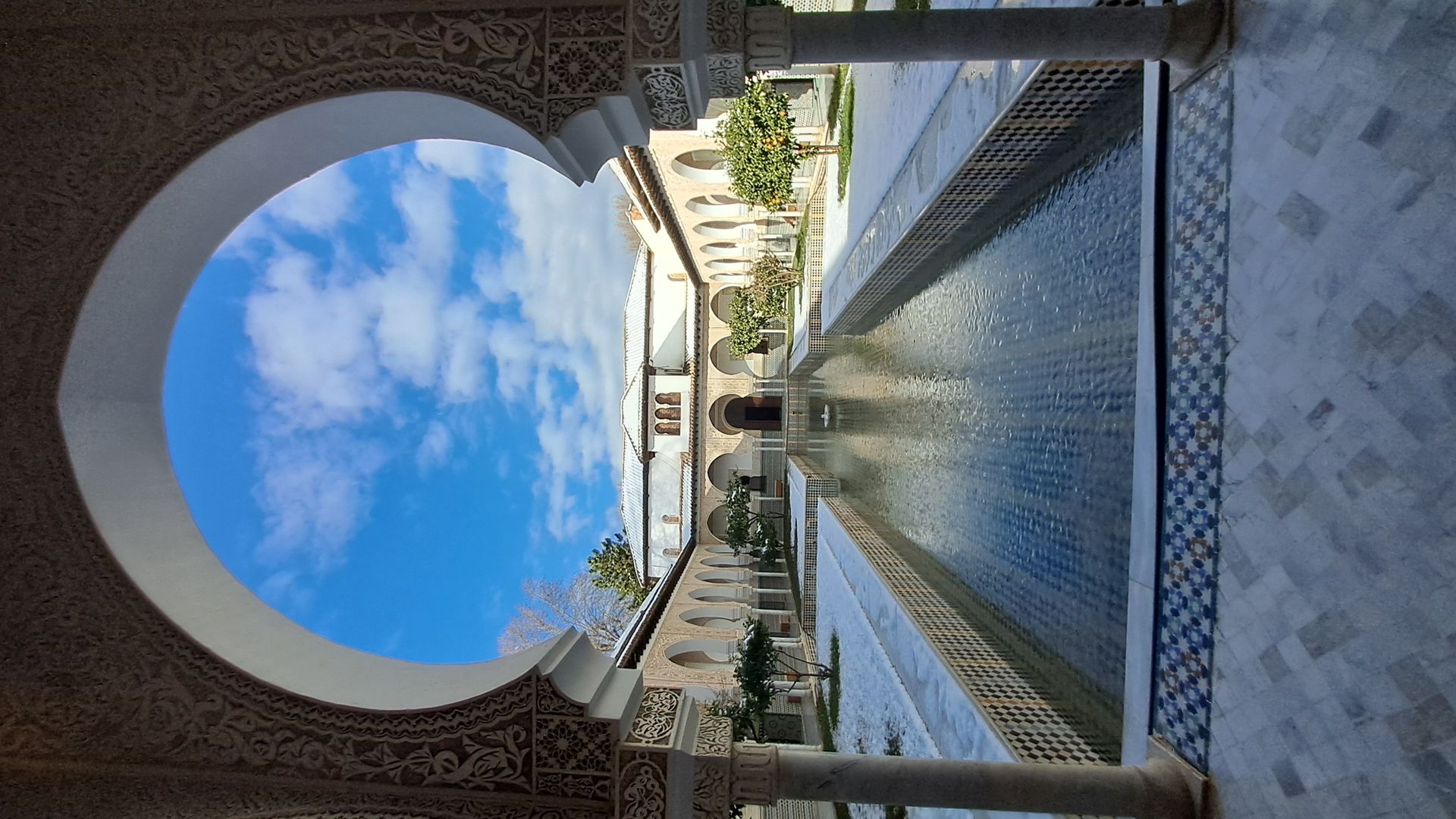
As you walk through the palace today, the meticulous craftsmanship is evident. The walls are adorned with stunning zellige (mosaic tilework) featuring geometric and floral patterns, intricately carved stucco, and beautifully painted wooden ceilings. The central courtyard, with its reflecting pool and fountain, captures the essence of Moorish architectural design, designed to provide both aesthetic beauty and a cooling oasis from the North African sun.
A Symbol of Resilience
The Mechouar has seen the rise and fall of empires. It survived the sieges of the Merinids, served as a stronghold for the Ottomans, and endured the French occupation. Today, standing fully restored, it is a proud symbol of Algerian resilience and identity.
Visiting the Mechouar is an essential part of understanding Tlemcen. It is more than just a beautiful building; it is a monument that whispers the tales of kings, poets, and craftsmen who once made Tlemcen the “Pearl of the Maghreb.”